Mozambique Sovereign Wealth Fund, 118 Million Dollars of Gas Money and a Test of Trust
At the end of June 2026 Mozambique's new sovereign wealth fund was worth 118.36 million dollars. Of that, 116.13 million was gas revenue paid in by the government and 2.22 million was what the fund had earned on it. In the second quarter it made a 0.41 percent return, mostly interest on bank deposits and government bonds. By the standards of Norway or Abu Dhabi it is a rounding error. By Mozambique's standards it is something new: a pot of public money from natural resources, held offshore, under published rules.
Whether it stays that way matters to every province with gas or minerals, and above all to Cabo Delgado, where the gas comes from (the gas projects).
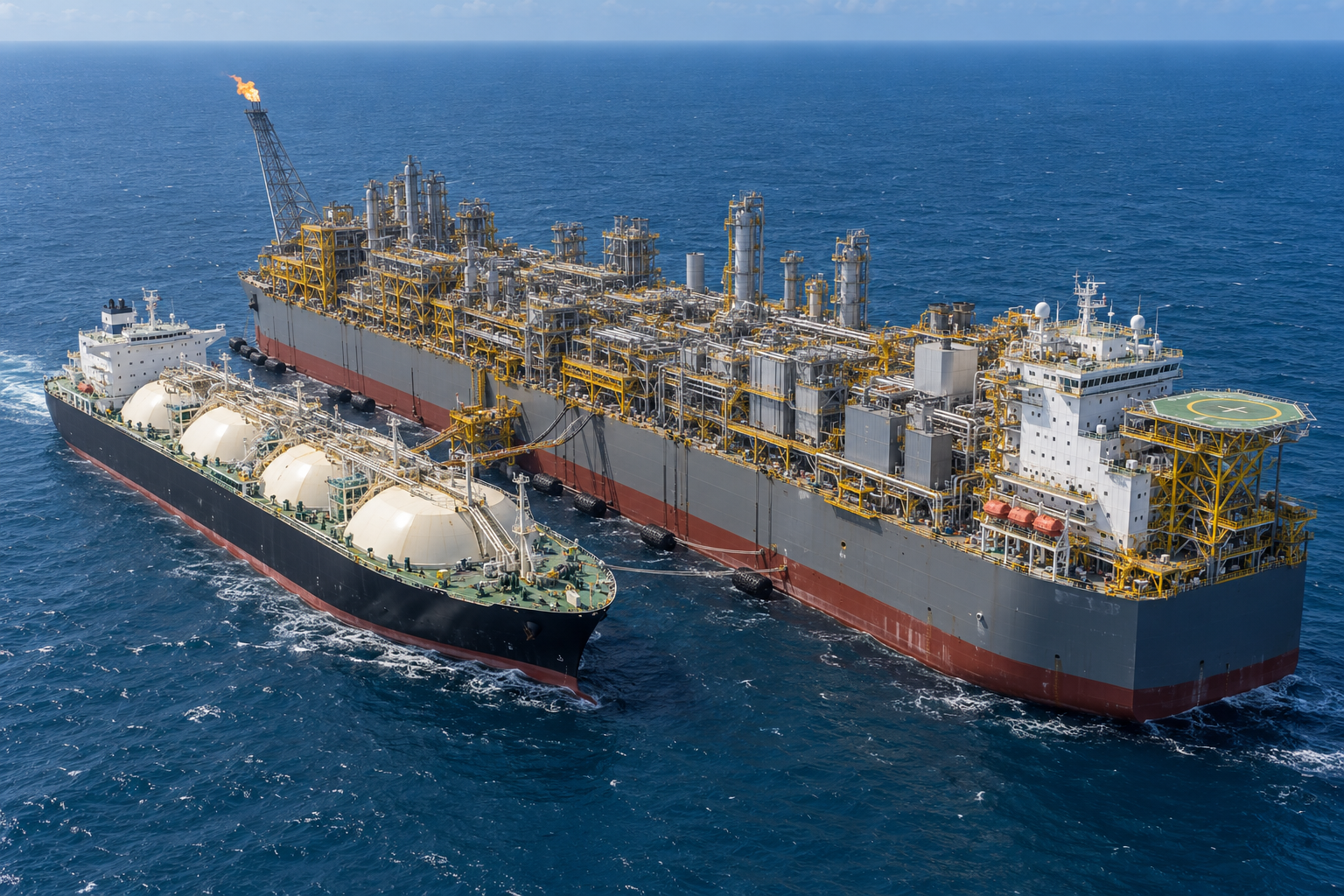
Image: pxef.com
How it works
The fund was created by law after years of debate and began operating in December 2025, when the government transferred its first 109.97 million dollars to the Bank of Mozambique, which manages it. A second transfer of about 6.2 million followed in January 2026. The money comes mainly from the state's share of gas revenues, so far from Eni's floating Coral Sul plant, the only project already exporting.
The law sends 40 percent of annual gas revenue to the fund; most of the rest goes into the state budget. The finance ministry's investment plan puts about 70 percent of the fund in US Treasury bonds and 30 percent in eurozone government debt, and it bars the fund from investing in Mozambican companies, in domestic assets, or in oil and gas. That last rule is deliberate. It stops the fund being used to bail out state companies or prop up local projects, which is exactly how Mozambique got into trouble before. The bank publishes quarterly reports showing that the fund has kept within its risk limits.
The government expects gas revenue to grow to about 6 billion dollars a year in the 2040s, once Mozambique LNG and possibly Rovuma LNG are running (the restart). At that rate the fund could grow into one of the largest in Africa.
Why trust is the issue
Mozambique has given lenders and citizens reasons to be suspicious. In 2016 it emerged that state companies had taken out about 2 billion dollars in hidden loans, guaranteed by the government without parliament's knowledge, supposedly for a tuna fleet and maritime security. Much of the money disappeared. Donors froze budget support, the country defaulted, and a former finance minister was later convicted in the United States. Mozambicans paid for the "hidden debts" through cuts and inflation for years.
The fund's design, offshore assets managed by the central bank, no domestic investment, quarterly disclosure, reads as an answer to that history. The open questions are different ones. Will the 40 percent rule hold when the budget is tight, as it is in 2026 after the post-election unrest of late 2024 and the costs of the war in Cabo Delgado? Will Cabo Delgado itself see any of the money, or will the province that hosts the gas and bears the insurgency watch it flow to Maputo and to bonds abroad?
What it means in Pemba
For now, very little directly. The fund is small, and its rules keep it out of local investment. The bigger effect will be through the budget: whether gas money reaches schools, roads, clinics and the security forces in Cabo Delgado, and whether it is spent honestly. The insurgency recruited partly on the sense that the province's resources benefit others (the insurgency explained). A well-run fund doesn't fix that on its own. A badly run one would make it worse.
The fund's next quarterly report is due after the end of September 2026. It will show whether the transfers keep coming.